DividendeOhneEnde · January 27, 2019
Hormel Foods
Not for vegetarians
- Ticker
- HRL
- ISIN
- US4404521001
- WKN
- 850875
- Country
- USA
- Industry
- Consumer staples
- Sector
- Food & tobacco
- Market cap
- $25.7 billion
- Dividend yield
- 2.30%
- Payouts
- quarterly
- First dividend
- 1928
- Status
- Dividend King
- Dividend yield
- 2.3%
- Dividend growth
- 9%
- Payout ratio
- 56.8%
- Share price growth
- 214.4%
- Earnings growth
- 3.2%
- Revenue growth
- 7%
- Debt ratio
- 21.9%
The DOE score was my rating at the time, based on these figures, from A (very good) to E. Figures as of October 11, 2022, shortly before the blog ended.
Contents
The stock for meat lovers
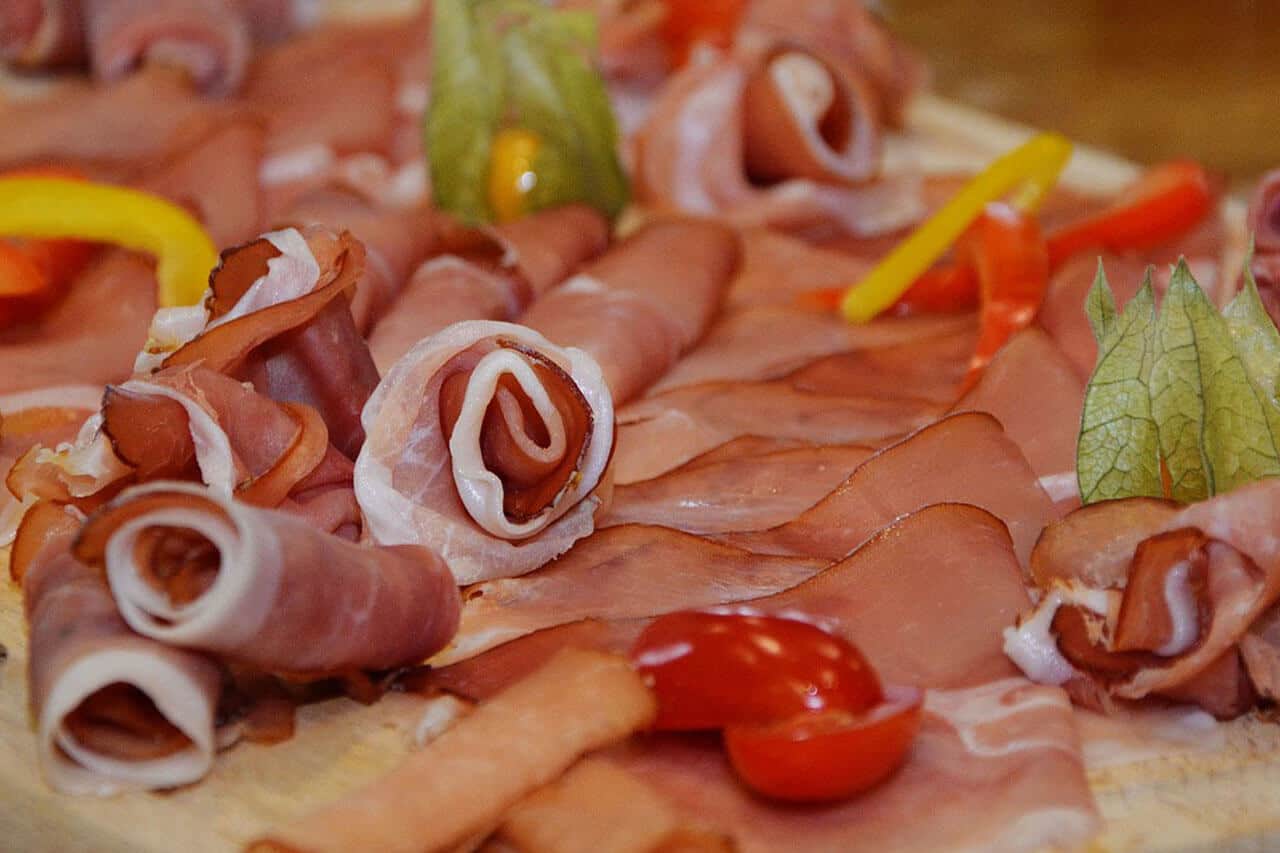
If you're a vegetarian or even a vegan, you'll probably want to keep your hands off this stock. For rational investors, on the other hand, the company is pretty attractive. Even though the business of meat, sausage and poultry products is certainly morally questionable. But you can't blame Hormel Foods for that. After all, the market is driven by customers, who are eating more and more meat. So demand goes up and manufacturers have to respond to it.
There is a trend toward meat-free diets, but it hasn't really caught on yet. In Germany, an average of 60 kilos of meat per person is consumed every year. In Hormel Foods' home country, the USA, it's a hefty 111 kilos per year. Luckily for shareholders, quite a few of those are products from Hormel Foods.
The history and business model of Hormel Foods Corp.
Back in 1891, George A. Hormel, the son of a German immigrant, founded his company, which initially focused on producing and selling meat products. Hormel grew quickly; he expanded his slaughterhouses and successfully increased sales. In 1924, more than a million hogs were processed into food for the first time. 2 years later, in 1926, Hormel Foods introduced the first canned meat to the public. In the 1930s the company greatly expanded its product range, including the popular Hormel Spiced Ham - SPAM for short.
Today the meat producer's portfolio includes 53 different brands. These are sold in supermarkets as well as to restaurants, hospitals, universities, schools and other large-scale buyers.
Of course, Hormel Foods has also recognized the health trend and diversified accordingly. To no longer be completely dependent on meat, the company from Austin, Minnesota has been busy buying up businesses in recent years. So now there's also peanut butter, sauces & various dips. And for athletes, protein shakes and protein bars are now on offer too.
What does Hormel Foods have planned for the future?
The management board has committed itself to one topic in particular: expanding its business abroad. Most recently, a new plant was opened in China, with which the company wants to gain a foothold in the Asian market. And there has also been heavy investment in South America. That makes total sense. Because Hormel Foods generates over 90% of its revenue in its home country. Meat consumption in the USA has risen again, but the really big margins are beckoning in the emerging markets. As soon as the population there earns a bit more, demand for meat products goes up too. Hormel Foods will benefit from this in the long run and be able to increase revenue.
Why hasn't the stock been doing so well lately?
Well, the fact that the stock fell in 2016 and 2017 is mainly due to the weak turkey business. The market suffered from overcapacity, and that hit Hormel Foods financially with full force. However, if you look at the company over the last 10 years, you'll find an average profit growth of 10% per year. Since March 2018, the stock has been climbing back toward its all-time high - so: buying in or adding more at the next correction could pay off.
Can the dividend keep being raised?
A dividend has been paid out to shareholders since 1928. Since 1965 it has even been raised regularly. So Hormel Foods can quite rightly adorn itself with the coveted title of Dividend King. The current dividend yield is only 1.9%, but you shouldn't ignore the annual increase of almost 16%. If you reinvest the payouts here, you'll benefit from solid compounding in the long run.
Conclusion
Hormel Foods is a meat producer that gives customers what they ask for. Over the years, the company has diversified very broadly and tapped into various markets. Personally, I'm convinced by the business model and the plans for the future, so I'm optimistic that the stock will keep doing well.
Epilogue · November 1, 2026
What became of it
7 years and 9 months have passed since this article. If you had invested €1,000 on the day it was published, this is where you would be today:
Bitcoin came out ahead.
- Hormel Foods, incl. dividends:
- The same €1,000 in Bitcoin: