DividendeOhneEnde · April 21, 2019
McDonald’s
The burger business
- Ticker
- MCD
- ISIN
- US5801351017
- WKN
- 856958
- Country
- USA
- Industry
- Consumer discretionary
- Sector
- Hotels & entertainment
- Market cap
- $179.2 billion
- Dividend yield
- 2.30%
- Payouts
- quarterly
- First dividend
- 1976
- Status
- Dividend Aristocrat
- Dividend yield
- 2.3%
- Dividend growth
- 8.5%
- Payout ratio
- 68%
- Share price growth
- 156.2%
- Earnings growth
- 5.5%
- Revenue growth
- 0.7%
- Debt ratio
- 39.8%
The DOE score was my rating at the time, based on these figures, from A (very good) to E. Figures as of October 11, 2022, shortly before the blog ended.
Contents
The perfected restaurant system
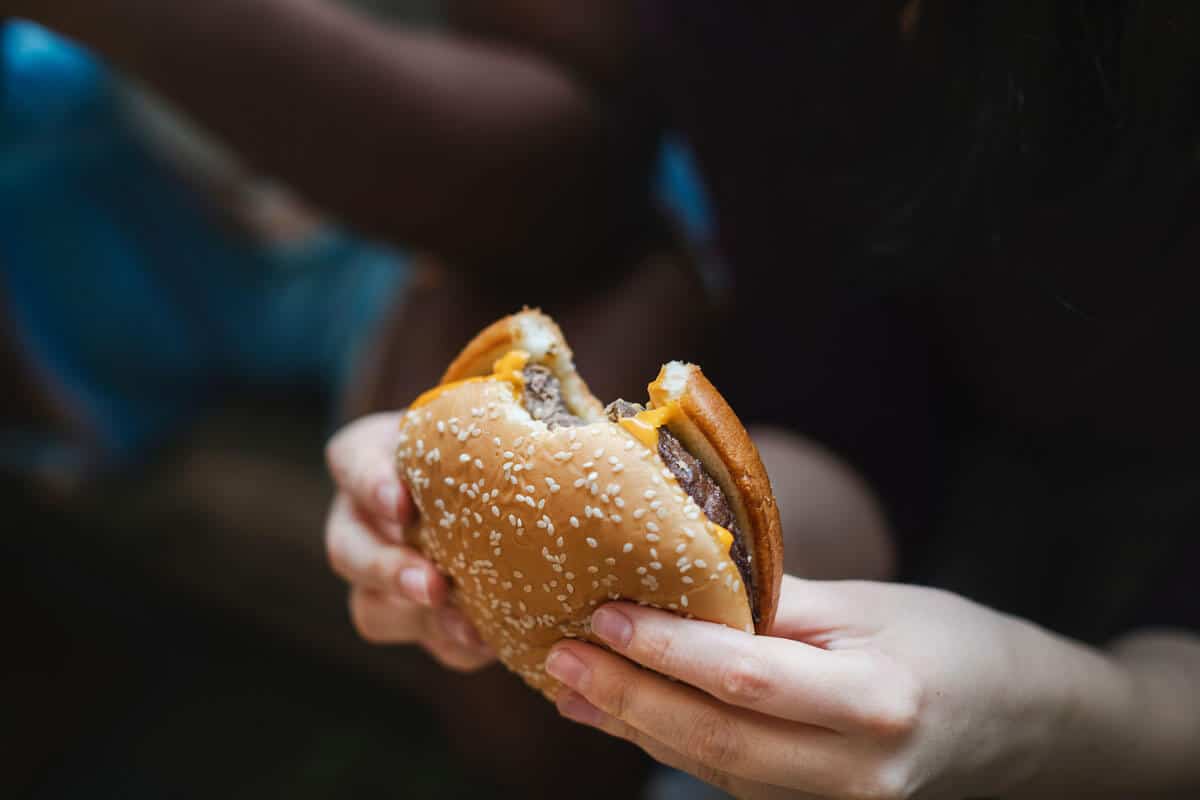
I associate McDonald's with my wonderful childhood. Back then, eating a Happy Meal was always the greatest thing for me. Delicious french fries, a juicy hamburger, a thirst-quenching soft drink and a cool toy - that was all it took to make me happy. And when I was full, I got to run around outside on the playground for a while. Back then I didn't think anything of it, but now I recognize the genius behind this well-thought-out concept.
Hardly any other restaurant company has perfected its processes like McDonald's. By the way, you can see this very well in the movie "The Founder", which retells the origins of the fast-food empire. Today let's take a closer look at how and with what McDonald's makes its money and how it made it to the top of the entire industry.
The origins and business model of McDonald's Corp.
It all started in 1940 with the opening of the first McDonald's restaurant in San Bernadino (California). The brothers Richard and Maurice McDonald's quickly noticed that the well-known drive-in system didn't really work for them. The long wait for food, the high staff costs for the carhops and all the young rowdies in their loud cars quickly annoyed the brothers. So they came up with the revolutionary Speedee system, in which each employee took on a specific step of the work, cutting the wait for a hamburger to 30 seconds.
In 1954, milkshake mixer salesman Ray Kroc recognized the huge potential of this brilliant system and suggested the franchise model to the two brothers. Since they had already failed with franchisees in the past, the McDonald's brothers weren't particularly thrilled, but agreed anyway. Kroc expanded into many more states and a little later founded his own company that leased the restaurants' land. That's how McDonald's quietly became one of the largest real estate companies in the world. In 1961 Kroc bought out the brothers and thus became the owner of the license rights.
Today McDonald's is present in over 120 countries with almost 40 thousand restaurants. The company constantly tries to adapt to the spirit of the times and to focus more and more on sustainability and healthier products. In addition, the restaurants are increasingly being digitized, which shortens the ordering process and also appeals to the younger target group.
What's planned for the future at McDonald's?
The fast-food giant's board will keep trying to open more and more locations. On average it's almost 1,000 restaurants per year. In addition, more and more older locations are being equipped with the popular McCafé areas. This draws a completely different clientele into the restaurants, people who might otherwise never have gone to a fast-food chain. Another important growth driver is surely the company's own delivery service, which brings the tasty hamburger meals to your dining room at home or to the office.
Business is excellent - profit has doubled over the last 10 years. Including the massive share buybacks, the stock rose by almost 12% per year over this period. And there's no end in sight ...
And what about the dividend?
Shareholders received their first share of the profits in 1976. Since then the dividend has risen year after year. Over the last 10 years that averaged almost 10%. The dividend yield is currently 2.5%, which together with the annual increase is pretty decent. The payout ratio is currently 60%, so there's still enough money left in the company to drive its own growth. So McDonald's can confidently call itself a Dividend Aristocrat.
Conclusion:
McDonald's revolutionized and perfected the fast-food business. With clever marketing and constant expansion of its menu, the American company weathers economic slumps more easily than other players in the industry. In light of this, I now understand my father, who is a McDonald's shareholder and is always happy when he has to wait a little longer in line for his food. For dividend hunters with a long-term horizon, this is a first-class investment (even at an all-time high).
Epilogue · November 1, 2026
What became of it
7 years and 6 months have passed since this article. If you had invested €1,000 on the day it was published, this is where you would be today:
Bitcoin came out ahead.
- McDonald’s, incl. dividends:
- The same €1,000 in Bitcoin: