DividendeOhneEnde · September 1, 2019
Stryker
The medtech specialist
- Ticker
- SYK
- ISIN
- US8636671013
- WKN
- 864952
- Country
- USA
- Industry
- Health care
- Sector
- Medical devices
- Market cap
- $81.1 billion
- Dividend yield
- 1.30%
- Payouts
- quarterly
- First dividend
- 1992
- Status
- Dividend Contender
- Dividend yield
- 1.3%
- Dividend growth
- 10.8%
- Payout ratio
- 51.2%
- Share price growth
- 296.4%
- Earnings growth
- 2.5%
- Revenue growth
- 8.1%
- Debt ratio
- 38.4%
The DOE score was my rating at the time, based on these figures, from A (very good) to E. Figures as of October 11, 2022, shortly before the blog ended.
Contents
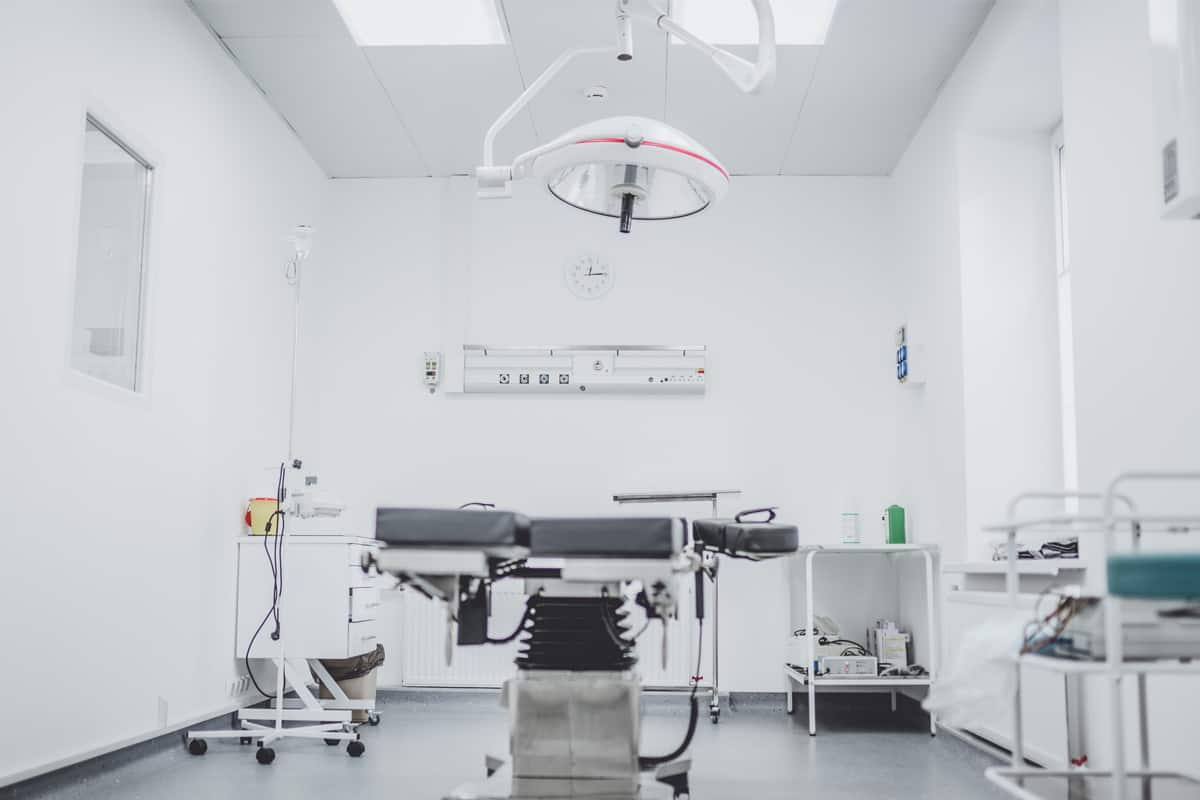
Innovative tools for the operating room
In Germany, and worldwide too, life expectancy keeps rising relentlessly. On the one hand, that's of course due to better circumstances, like more humane working conditions and a healthier lifestyle. On the other hand, it's also due to growing prosperity and the better medical care that comes with it, which more and more people have access to today. Even if we live mindfully, exercise often, and eat healthy, we can't stop our bodies from aging along with us and getting frailer. Maybe we have problems with our joints or have to go under the knife for a new hip.
The medtech company Stryker recognized this issue early on and positioned itself in the market accordingly. With orthopedic and surgical implants, surgical instruments, and even autonomous surgical robots, it's extremely well positioned.
The history and business model of Stryker Corp.
Homer Hartman Stryker was born in Michigan in 1894 and graduated from high school in 1913. He then went to college and in 1916 began teaching at a small school. But before long, he enlisted in the U.S. Army to serve in World War I. When he returned to the US, he realized that while he really enjoyed teaching, he'd rather do something with his hands. When he talked to an acquaintance who practiced as a doctor in his hometown of Kalamazoo, his interest in studying medicine was sparked. Stryker was accepted to the University of Michigan medical school, but before he could start, he had to pass a foreign language exam. Since he didn't speak any foreign language yet, he sought help from his future wife, Mary Jane Underwood. She taught German and French at a school and helped Stryker so he could start his studies.
After his training, he first worked at a few hospitals before opening a general practice in downtown Kalamazoo in 1928. After 8 years of general medicine, Stryker wanted to specialize, so he began a residency in orthopedics. Even during his residency at the university hospital in Ann Arbor, he tinkered with a more comfortable bed for immobile patients. After finishing, he had the means to manufacture and sell the Wedge Turning Frame bed. The bed was so popular that the Army ordered some of them in World War II as well. Stryker was then able to hire his first employees and found the Orthopedic Frame Company Inc. The company grew quickly and was able to position itself with more innovative solutions for caregivers and patients. Stryker's son Lee joined the business as general manager in 1955. Together, the two quickly reached revenue of one million US dollars. In 1964 Dr. Stryker retired from the business, and the company name was changed to Stryker Corporation in his honor.
Today Stryker is one of the world's leading medical technology companies. It's mainly positioned in 3 different divisions. The medical and surgical equipment division, with surgical instruments, patient transport systems, and complete operating room solutions, accounts for 44% of revenue. Orthopedics, with implants and prostheses, accounts for 37%, and the neurotechnology division generates 19%. To keep growing, Stryker relies on sensible acquisitions and invests heavily in researching and developing new products meant to make our lives more comfortable.
What's next for Stryker?
Stryker's management will continue to keep an eye out for lucrative, fitting companies that are suitable for acquisition. Since 2018 alone, they've taken over a whole 7 companies this way, which on the one hand diversify the business further and on the other hand bring important know-how into the company. The last mega-acquisition ($1.4 billion) was K2M Group Holdings, which specializes in complex spine solutions.
But acquisitions won't remain the only growth drivers. Stryker invests a large part of its profits in researching new products - in 2018 it was an impressive 862 million dollars. The medtech company already offers more than 60,000 different products today, and that number will definitely keep rising in the future. Apart from the factors Stryker can control itself, it will also benefit from the growing world population and higher life expectancy. Older people simply need prostheses and other medical procedures more often - and that's not going to change anytime soon. I see enormous growth potential for Stryker here.
So what about the dividend?
Stryker shareholders have been receiving a profit distribution since 1992. Since 1993 the dividend has also been raised every year, with the exception of the financial crisis year 2009. From $0.40 in 2008, the dividend was cut to $0.35 in 2009. In 2010, on the other hand, it was raised substantially again to $0.63. Since then it has been growing relentlessly again. Over the last 10 years, that results in an average dividend increase of almost 25% per year. So I can live with the current yield being "only" 1%. At 21%, the payout ratio is still very low, which of course I welcome for such an innovative company.
Conclusion:
Stryker is a very diversified medtech company that has responded to the needs of its patients and customers from the very beginning. With innovative solutions in orthopedics, neurotechnology, and medical equipment, Stryker makes more money year after year. In my eyes, the stock is interesting even at its all-time high - in the long run, you can only profit here.
Epilogue · November 1, 2026
What became of it
7 years and 2 months have passed since this article. If you had invested €1,000 on the day it was published, this is where you would be today:
Bitcoin came out ahead.
- Stryker, incl. dividends:
- The same €1,000 in Bitcoin: