DividendeOhneEnde · February 17, 2019
Fresenius
A broadly diversified healthcare group

- Ticker
- FRE.F
- ISIN
- DE0005785604
- WKN
- 578560
- Country
- Germany
- Industry
- Health care
- Sector
- Health care
- Market cap
- $11.4 billion
- Dividend yield
- 4.50%
- Payouts
- annually
- First dividend
- 1993
- Status
- Dividend Aristocrat
- Dividend yield
- 4.5%
- Dividend growth
- 9.2%
- Payout ratio
- 30.1%
- Share price growth
- -35.2%
- Earnings growth
- -1.3%
- Revenue growth
- 3%
- Debt ratio
- 37.3%
The DOE score was my rating at the time, based on these figures, from A (very good) to E. Figures as of October 11, 2022, shortly before the blog ended.
Contents
Patients & shareholders are in good hands here
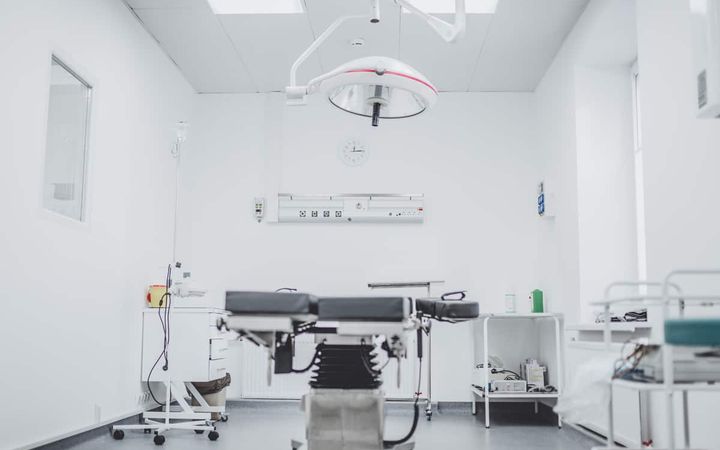
The world's population is growing relentlessly - to be more precise, 157 babies are born every minute (as of 2017) and just under 120 people die. Many of them are in a hospital when they're born or when they die. And Helios owns 87 of them in Germany alone. Every year, the company treats nearly 1.3 million people. Now you're probably asking yourself: Who the heck is Helios? I wanted to read an article about Fresenius ... But one thing at a time :-)
Fresenius is mainly a medical technology and healthcare company, but through purchases and acquisitions it has been able to expand its business areas. Today it also operates as a pharmaceutical company, a healthcare services company and a hospital operator. Since that's quite a lot of different divisions, Fresenius has split itself into 4 independently operating companies.
The history and business model of Fresenius SE & Co. KGaA
The Hirsch-Apotheke (Stag Pharmacy) opened in Frankfurt am Main back in 1462. In the 18th century it came into the hands of the Fresenius family. Then in 1912, Eduard Fresenius founded his own pharmaceutical company. There he focused on producing injection solutions. It wasn't until 1934 that he parted with the Hirsch-Apotheke and then took off in Bad Homburg. In the following years he employed almost 400 people. But his luck didn't last long. Eduard died quite suddenly and the business went downhill. Fortunately, in 1951 Else Kröner took over the company after studying pharmacy and led it back uphill.
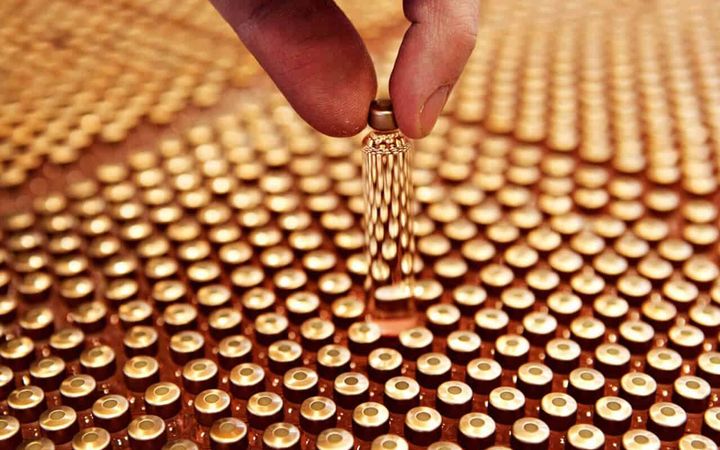
Today Fresenius stands on 4 strong legs. Fresenius Kabi and Fresenius Helios are 100% owned by the parent company. Fresenius Vamed 77%, and Fresenius Medical Care only 31%. Kabi is a leading manufacturer of infusions and clinical nutrition. Helios runs the most private hospitals in Germany and, thanks to an acquisition, is now also present in Spain. Vamed is responsible for planning and building new hospitals - both in Germany and in many emerging countries in Africa. Fresenius Medical Care is the most important and largest revenue generator. The company specializes in blood purification. It is by far the largest operator of dialysis clinics worldwide. More than 300,000 patients are treated there every year - usually several times a week. And the number of people affected isn't going down.
What does Fresenius have planned for the future?
Nobody can say exactly what the future will bring. The fact is that Fresenius is pretty well positioned and should generate decent revenue. Over the last 20 years, revenue has grown by around 12 percent per year. Profit rose by an average of 12 percent per year over the same period.
However, there were also 3 years in there in which profit declined. And we're facing one of those years again right now. Fresenius's management board issued a profit warning. That means medium-term growth targets won't be met. The reasons given were weaker earnings at Fresenius Medical Care and at the Helios private hospitals. In my eyes, though, the stock market overdid it with its correction. The fact that the stock was at times almost 50% below its all-time high isn't justified. 2019 will be a transition year & from 2020 onwards the group wants to generate 10% annual growth in revenue and profit again.
Can the dividend keep being paid for now?
Even despite the recent profit warning, Fresenius wants to keep raising its dividend and keep its shareholders happy. And the company has been doing that since 1993. That makes Fresenius one of the popular Dividend Aristocrats, and one of the very few German companies to hold that title. The current dividend yield is only 1.7%, but once again you mustn't forget the annual dividend increase. In recent years that averaged 13%. So here, too, you can benefit from solid compounding in the long run.
Conclusion:
Fresenius has positioned itself very broadly in the healthcare industry. The subsidiaries are all doing very well and thus provide ongoing revenue. Right now the stock is available very cheaply. If you look at the long-term share price development, you can almost guess where the journey is headed ...
Epilogue · November 1, 2026
What became of it
7 years and 8 months have passed since this article. If you had invested €1,000 on the day it was published, this is where you would be today:
Bitcoin came out ahead.
- Fresenius, incl. dividends:
- The same €1,000 in Bitcoin: