DividendeOhneEnde · May 23, 2021
H.B. Fuller
A sticky business
- Ticker
- FUL
- ISIN
- US3596941068
- WKN
- 861402
- Country
- USA
- Industry
- Materials
- Sector
- Chemicals
- Market cap
- $3.6 billion
- Dividend yield
- 1.10%
- Payouts
- quarterly
- First dividend
- 1953
- Status
- Dividend King
- Dividend yield
- 1.1%
- Dividend growth
- 4.2%
- Payout ratio
- 20.7%
- Share price growth
- 115.6%
- Earnings growth
- 27.4%
- Revenue growth
- 10.4%
- Debt ratio
- 42%
The DOE score was my rating at the time, based on these figures, from A (very good) to E. Figures as of October 11, 2022, shortly before the blog ended.
Contents
Rising dividend since 1969
If you want to be successful in the stock market over the long run, in my opinion you have to diversify your portfolio broadly. That should really be the first thing you learn about investing, and yet I regularly see investors not sticking to this most important of all rules. If you want to keep it simple, the best thing is to put money into a globally diversified ETF every month - you can hardly get more diversified than that. I do that too, even if only with a small amount of capital. Personally, I just enjoy reading up on companies and picking out the crème de la crème. But especially if you want to build a portfolio of individual stocks, you really need to make sure you cover lots of different companies, industries, and countries.
That's why today I'd like to introduce the H.B. Fuller Company, a globally positioned market leader in specialty adhesives used across many different industries. Could this Dividend King be something for your portfolio too?
The history and business model of the H.B. Fuller Company
The origins of today's H.B. Fuller Company go back to 1845 in Youngstown (Ohio), when Harvey Benjamin Fuller was born. He grew up at a time when the whole country was on the verge of the great industrialization and some smart, hardworking businesspeople were building successful companies. Without hesitation, Harvey knew early on that he wanted to start his own business one day too. After school, the ambitious and inventive young man started out as an office clerk at an iron mining company in Chicago. Harvey did an excellent job and soon received raises and several promotions, but he grew increasingly dissatisfied. He didn't want to work for someone else, so he decided to quit. He recognized the growing demand for adhesives and started experimenting with mixing different glues. To earn some money in the meantime, he marketed and distributed existing adhesives from other manufacturers.
In 1887 Harvey moved with his family from Chicago to St. Paul, because he was very excited about the booming business culture there, and there was also no competition yet for his young company in the area. On top of that, flour - back then still an important ingredient in making adhesives - was available in abundance there, partly thanks to the many grain mills of the Washburn-Crosby Company (predecessor of General Mills). Harvey still spent many hours in front of his iron kettle sitting on the family's wood stove, searching for the perfect combination of hydrofluoric acid, water, flour, and other chemicals that would produce the best wallpaper paste. Once he was happy with the mixture, he started selling it to local paperhangers, who were very glad not to have to make their own glue anymore. Harvey's adhesives became increasingly well known, and he recognized the business potential of his product. Together with 3 lawyers from Minneapolis and a total capital of $600, they founded the Fuller Manufacturing Company. As wasn't unusual back then, Harvey ran his entire operation all by himself - he was the chemist, the producer, the packer, the delivery man, and the bookkeeper. In 1888 his eldest son Albert decided to support his father and take some work off his hands.
Business developed brilliantly, and within two years they were able to move into a larger production facility. Albert took care of customer orders and experimented with new formulas, while Harvey brought in new customers. In the following years they were not only able to buy out their competitor, the Minnesota Paste Company, for just $200 (roughly $6,000 today), but also to expand their product range. As a result, they reached annual revenue of $10,000 in 1898, and by 1905 they were not only shipping their products nationwide but had also opened up end markets in England, Germany, and Australia. Even during the difficult times of the world wars and the Great Depression, they kept growing and always impressed with innovative adhesives. Today, the H.B. Fuller Company is one of the market leaders in the industry and is very well represented in many industrial sectors with its specialty adhesives.
What does the future hold for the H.B. Fuller Company?
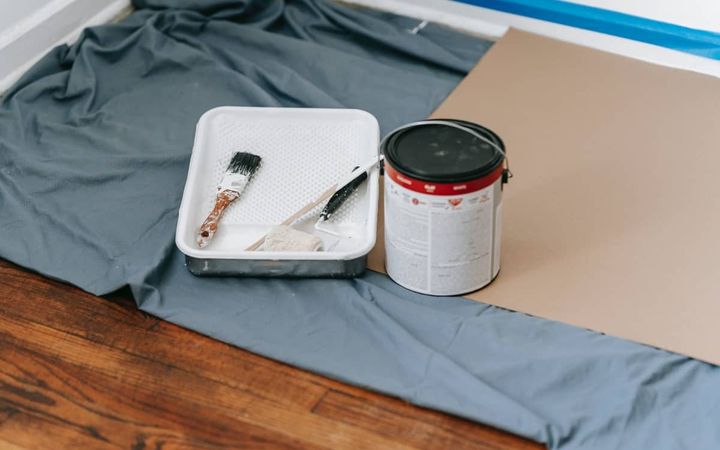
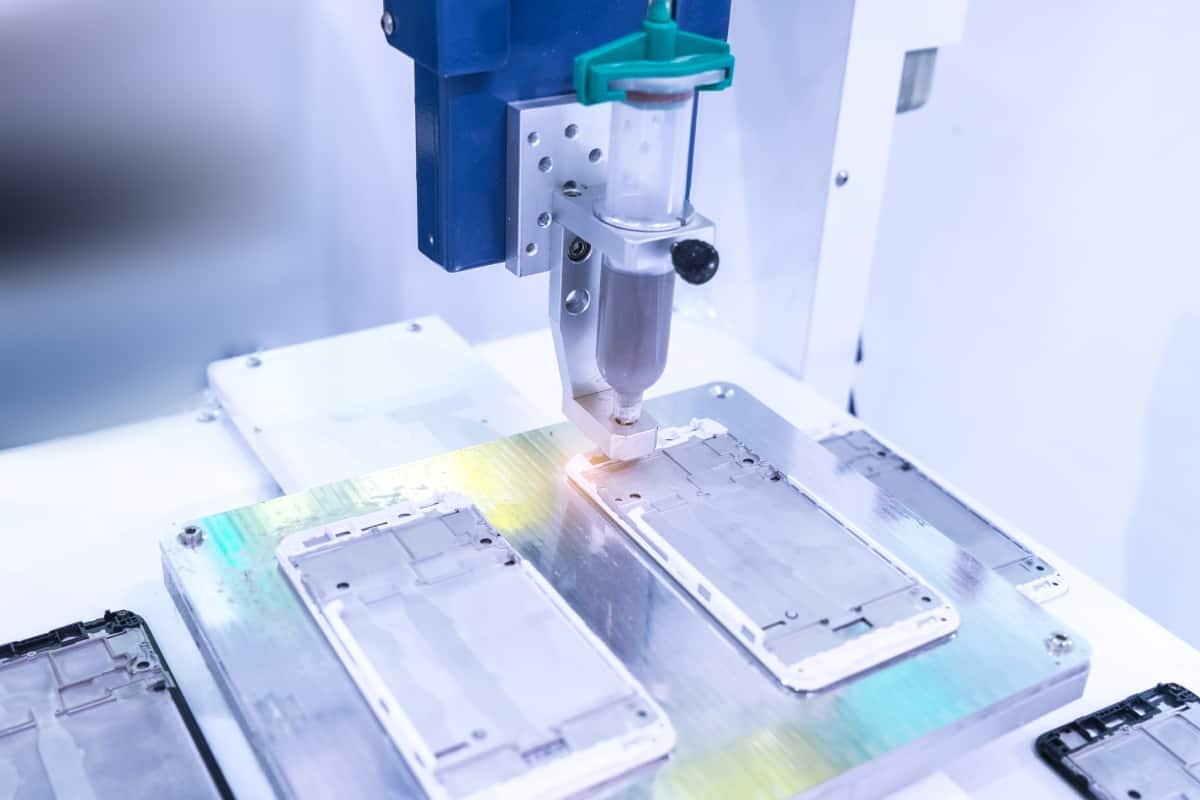
Before we get to that question, I'd like to sum up the adhesives group's business model once more. The H.B. Fuller Company is one of the leading providers of specialty adhesives. In fact, you can find adhesives and sealants from H.B. Fuller almost everywhere: in all kinds of electronic devices, in hygiene products, clothing, envelopes, cars, tile floors, packaging, and lots more. Generally speaking, wherever something needs to be held together, H.B. Fuller comes into play. Since the customer usually isn't the end consumer, the group's many different brands will be rather unknown to most people. All in all, H.B. Fuller has about 32 adhesive brands that specialize in different applications.
Now let's take a look at the figures for the most recently published quarter (Q1 2021 - ended 02/27/2021). In this period, net revenue came to 726 million US dollars, which equals an impressive increase of 12.3 percent over the prior-year quarter. Thanks to strong revenue growth and also efficiency gains from a corporate restructuring, the company generated a net profit of 30 million US dollars. Adjusted earnings per share for the quarter were $0.66, almost twice as high as the year before.
In the future, too, H.B. Fuller will keep looking for better and more sustainable product solutions and respond closely to its customers' needs. Just recently, for example, it introduced two fully compostable adhesive solutions that offer some advantages in terms of sustainability and benefits for manufacturers. All in all, I'm confident they'll keep both their customers and their shareholders happy over the next few years.
What about the dividend?
As early as 1953, shareholders of the adhesives maker received their first share of the company's profits in the form of dividends. Since 1969, this dividend has also been raised every year, which is why the company has been counted among the coveted Dividend Kings for several years now. Over a 10-year period, the dividend growth rate is a solid 8.8 percent - over the last 5 years, however, it's only 4.3 percent. The current dividend yield of 1.0 percent isn't all that high either, even though the payout ratio of 24.2 percent would leave more than enough room to grow.
Conclusion:
H.B. Fuller has a crisis-resistant business model that has been proven over many years. So long-term investors who want to diversify their portfolio with another industry leader should take a closer look at the company.
Epilogue · November 1, 2026
What became of it
5 years and 5 months have passed since this article. If you had invested €1,000 on the day it was published, this is where you would be today:
Bitcoin came out ahead.
- H.B. Fuller, incl. dividends:
- The same €1,000 in Bitcoin: