DividendeOhneEnde · May 31, 2021
The Toro Company
The landscape beautifier
- Ticker
- TTC
- ISIN
- US8910921084
- WKN
- 861568
- Country
- USA
- Industry
- Industrials
- Sector
- Machinery
- Market cap
- $10.2 billion
- Dividend yield
- 1.30%
- Payouts
- quarterly
- First dividend
- 1972
- Status
- Dividend Contender
- Dividend yield
- 1.3%
- Dividend growth
- 12%
- Payout ratio
- 33%
- Share price growth
- 407.6%
- Earnings growth
- 9.1%
- Revenue growth
- 12.1%
- Debt ratio
- 32.9%
The DOE score was my rating at the time, based on these figures, from A (very good) to E. Figures as of October 11, 2022, shortly before the blog ended.
Contents
Of bulls, tractor engines & lawn mowers
I'm very grateful that I was able to turn my hobby into my job. Every day I get to follow the markets with enthusiasm and talk for hours with friends, colleagues, and clients about investment approaches and interesting opportunities. But I also have to say that lately in particular, I keep being reminded of the tulip mania. Whether it's Dutchmen paying up to 5,200 guilders for a tulip bulb or a cryptocurrency with no value shooting through the roof makes hardly any difference to me. At this point, I'd simply like to quote stock market legend André Kostolany: "I can't tell you how to get rich quickly. But I can tell you how to get poor quickly: by trying to get rich quickly."
You're guaranteed not to get rich quickly with shares of The Toro Company, the world market leader in agricultural equipment, either. But if you approach the topic with a clear strategy and lots of patience, the odds are pretty good.
The history and business model of The Toro Company
Let's take a big step back into our past. As hunter-gatherers, we roamed around for over 200,000 years in smaller groups of about 25 people. Then, about 10,000 years ago, we suddenly settled down - we started building primitive huts, discovered farming, and began taming wild livestock. From the 5th millennium BC on, we started hitching cattle to a plow, which made agricultural work much easier for us. Until the end of the 18th century, this remained more or less the status quo. Only with the invention of the steam engine did we try to replace our draft animals with more efficient means of propulsion. However, these first steam-powered tractors were still very heavy and therefore not suitable for loose farm soil. The same was true back then of the first tractors equipped with the newfangled internal combustion engine.
In 1913, financier Patrick J. Lyons and engineer D. Maurice Hartsough founded the Bull Tractor Company. The two recognized a gap in the market for smaller tractors and wanted to win this market for themselves, much like Henry Ford with his assembly-line car production. Many farmers simply couldn't afford the huge, expensive tractors on the market at the time. Accordingly, they were thrilled when they got to admire the prototype "Little Bull," a small tractor for just $335, at farm shows, exhibitions, and fairs. Even before the first tractor rolled off the line, the company had booked over 11,000 orders. When production began in 1914, the engine supplier couldn't keep up with the high demand. For this reason, the Toro Motor Company was founded on July 10, 1914, solely for the purpose of producing engines for the "Little Bull." Unfortunately, the tractor couldn't deliver the promised performance, and although the more powerful successor "Big Bull" was praised by farmers, the Bull Tractor Company had to file for bankruptcy in 1918 due to legal problems and other difficulties. The Toro Motor Company, which took over the parent company's inventory and debts, was now on its own.
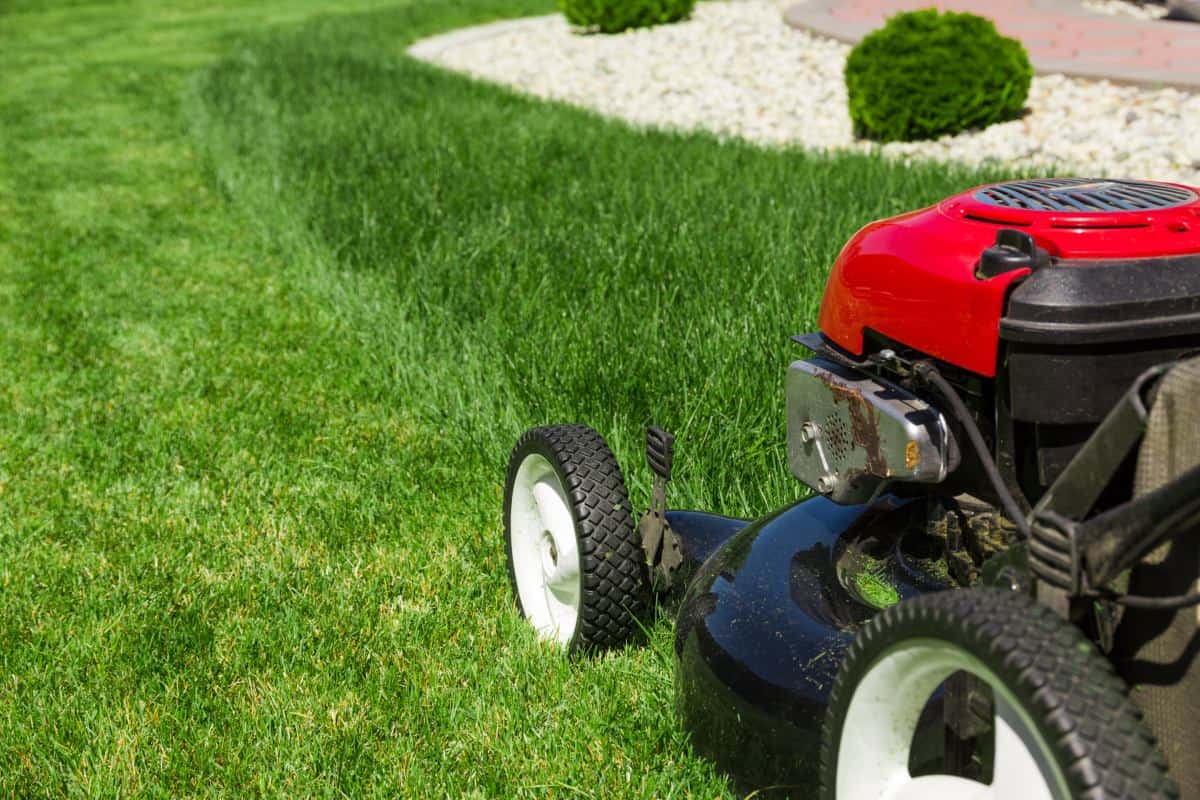
At first, the young company kept itself afloat by producing steam engines for US Navy supply ships. Fortunately, the now-renamed Toro Manufacturing Company managed to completely reinvent itself when the chairman of the exclusive Minikahda golf club in Minneapolis asked for a special lawn mower for large golf courses. The company promptly developed the Toro Standard Golf Machine and within just a few years became the nationwide market leader in golf course maintenance equipment and irrigation solutions. In 1929, it decided to take the company public, since it needed more capital to stay ahead of its competition through research and development. In the following years, it founded several sales companies in Europe and Asia and introduced its first lawn mower for the domestic consumer market. Business developed outstandingly, and today The Toro Company is a world-leading provider of turf and landscape maintenance equipment, as well as snow and ice management, irrigation and outdoor lighting systems, and underground utility construction.
How can The Toro Company's business develop in the future?
First, I'd like to briefly sum up the landscape specialist's business model once more. The Toro Company focuses on developing, manufacturing, and selling innovative, high-performance turf care and snow removal equipment, as well as irrigation systems and outdoor lighting solutions for residential and commercial gardens, public green spaces, golf courses and sports fields, construction sites, and agricultural operations. With its many different brands, The Toro Company is present in more than 125 countries. The brands, which hardly anyone in Germany is likely to know, include: Toro, Ditch Witch, Exmark, BOSS Snowplow, Ventrac, American Augers, Subsite Electronics, HammerHead, Trencor, Unique Lighting Systems, Irritrol, Hayter, Pope, Perrot, Lawn-Boy, and Radius HDD. At around 75 percent, commercial customers account for the bulk of revenue.
Now let's take a look at the figures from the most recently reported quarter (Q1 2021 - ended 01/29/2021). At $873 million, revenue in this quarter was an impressive 13.7 percent higher than in the prior-year quarter. It's worth mentioning here that during this period, revenue in the commercial segment rose 9.3 percent, while revenue in the residential segment jumped a remarkable 31.3 percent. Much like the home improvement chains Home Depot or Lowe's Companies, The Toro Company also benefited from the coronavirus pandemic. Naturally, if you're spending most of your time at home, you want it to be as nice as possible. So it's no surprise that Toro's earnings per share rose a solid 32.8 percent to $1.02. Furthermore, management announced it would continue the share buyback program, which should certainly please investors.
Even though The Toro Company already sells its products in over 125 countries, it still generates most of its money, around 80 percent, in its home market of America (2020 annual report - page 6). Here I see considerable growth, or rather catch-up, potential for the future. All in all, the odds are excellent that the landscape pro's business will develop nicely in the future. After all, the company's equipment is also needed for things like fiber-optic rollout, 5G, or laying new gas lines. So I'm very optimistic and will probably add some shares of The Toro Company to my own portfolio when the right opportunity comes along.
What about the dividend?
As early as 1972, shareholders of The Toro Company received their first share of the profits in the form of dividends. Since then, the dividend has been paid every year, but not always raised. Quite often the dividend was cut or left unchanged. Only since 2005 has the company established a more shareholder-friendly payout policy with annual increases. Over the last 10 years, the average dividend growth rate is a solid 19.3 percent. Over the last 5 years, this figure has leveled off at around 13.4 percent. The current dividend yield of 0.9 percent isn't particularly high, but the equally low payout ratio of 30.2 percent still signals lots of potential for future increases.
Conclusion:
The landscape beautifier The Toro Company has a solid product range that appeals above all to commercial businesses, in addition to private customers. In my eyes, long-term investors should also get a lot of joy out of this company.
Epilogue · November 1, 2026
What became of it
5 years and 5 months have passed since this article. If you had invested €1,000 on the day it was published, this is where you would be today:
Bitcoin came out ahead.
- The Toro Company, incl. dividends:
- The same €1,000 in Bitcoin: