DividendeOhneEnde · July 7, 2019
Royal Dutch Shell
Finally stepping on the gas again!
- Ticker
- SHELL.AS
- ISIN
- GB00BP6MXD84
- WKN
- A3C99G
- Country
- United Kingdom
- Industry
- Energy
- Sector
- Oil & gas
- Market cap
- $196.9 billion
- Dividend yield
- 3.90%
- Payouts
- quarterly
- First dividend
- 1945
- Status
- Dividend Contender
- Dividend yield
- 3.9%
- Dividend growth
- -13%
- Payout ratio
- 22.6%
- Share price growth
- 3.5%
- Earnings growth
- 27.9%
- Revenue growth
- 1.1%
- Debt ratio
- 18.7%
The DOE score was my rating at the time, based on these figures, from A (very good) to E. Figures as of October 11, 2022, shortly before the blog ended.
Contents
Has more in the pipeline than just crude oil
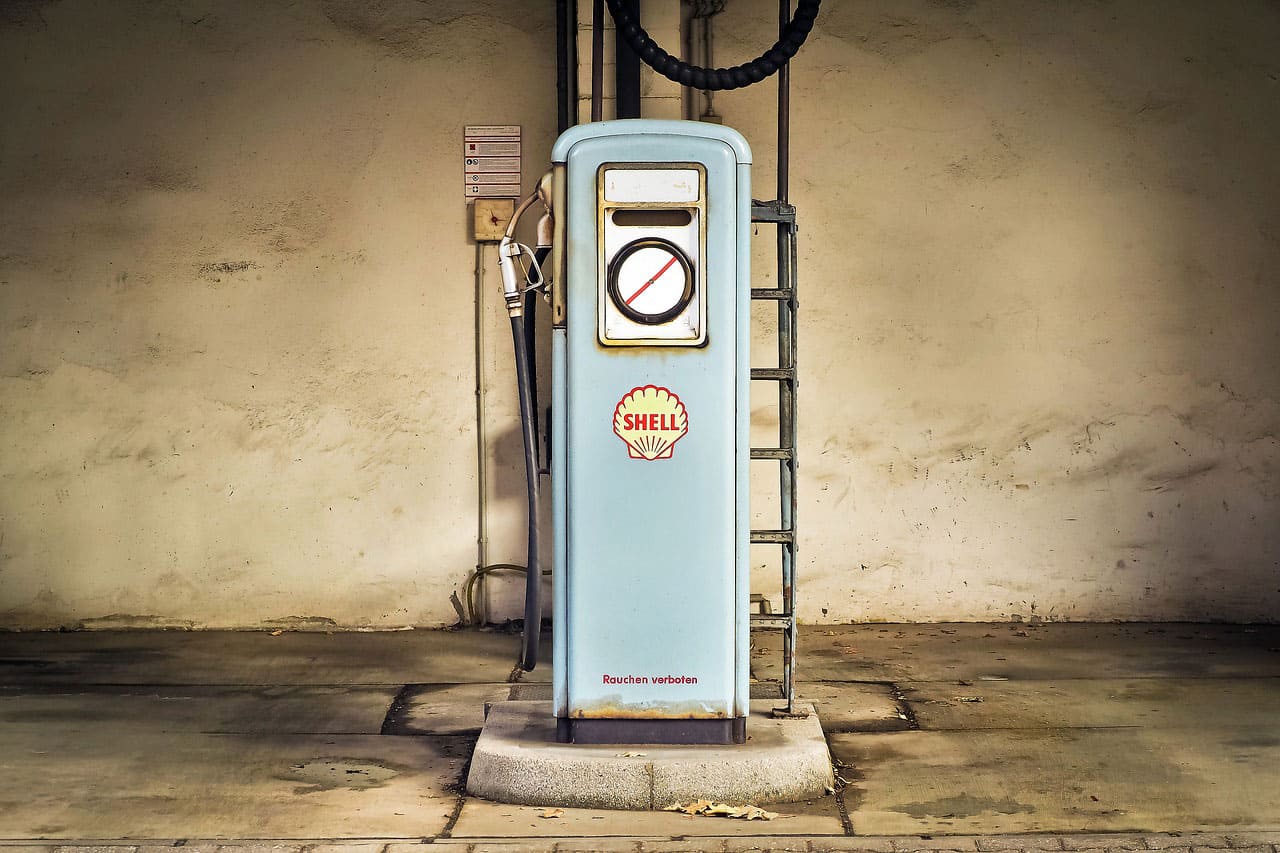
Unlike Aptargroup, which I introduced last week, Shell is a familiar name to the general public as a fuel supplier. With almost 2,000 roadside gas stations in Germany, it's very well positioned - even if Aral is currently still ahead. But we shareholders know and love our Royal Dutch Shell for a completely different reason - namely the juicy dividend.
But won't there come a moment at some point when the last oil has been pumped? Won't all cars soon be running on electric or hydrogen drives anyway? And what about the moral side of an investment like this? After all, oil companies aren't exactly known for protecting the climate ...
The history and business model of Royal Dutch Shell Public Limited Company
The history of the oil multinational Shell goes back to 1833, when the merchant Marcus Samuel opened a curiosity shop in London. A large part of his business consisted of importing and selling seashells from the Far East. The oriental collectibles were very popular and business was great, so his two sons took over the business after his death in 1872.
In the 1880s, the two became especially interested in the oil export business. However, shipping posed a problem - oil barrels could leak and took up a lot of space. So they commissioned a fleet of large-capacity steamers. In 1892, the first oil tanker, the Murex, passed through the Suez Canal, and the brothers changed their company name to "The Shell Transport and Trading Company". Out of respect for their father, they kept the established Shell name, and the logo was only slightly modified.
A little later they expanded their transport business further. The first oil production in Balikpapan (Indonesia) and subsequent refining were added. Unfortunately, Shell later had to destroy this refinery again, since the USA declared war on Japan in World War II. In 1901 oil was also found in Texas, and the company secured the transport and distribution rights from its main competitor Standard Oil. Due to overproduction, however, everything was already used up by 1902.
During the same period, a small competitor called Royal Dutch began building its own tanker fleet and a better distribution organization in Asia. As a result, half of the Shell fleet was idled until further notice. Of course, they weren't satisfied with that, so in 1907 they merged - the Royal Dutch Shell Group was born. To this day, the day the telegram announcing this merger arrived - April 23 - is celebrated as Shell's birthday.
Even more than 100 years later, Royal Dutch Shell is still one of the largest oil and natural gas companies in the world. Not least because it acquired the British BG Group in 2016. With the €45 billion purchase, it considerably expanded its oil and gas portfolio. In the same year, Shell also launched its renewable energy business - here it wants to focus on researching and developing commercial opportunities in wind and solar energy.
What's next for Royal Dutch Shell?
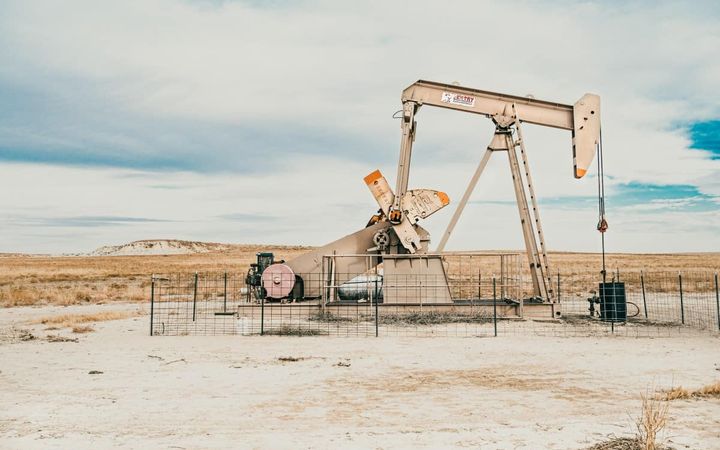
Well, energy demand will continue to rise significantly over the next decades. Developing countries in particular are the really big drivers here. Surely, or hopefully, we'll soon be able to cover a large part of the demand from renewable energies, but oil & gas will nonetheless still be urgently needed. Maybe at some point all cars will run on electric motors or other fuels, but Royal Dutch Shell won't go bust because of that. Oil as a raw material is needed in so many branches of industry that we'll be dependent on it for a long time to come. Plastics, lubricants, yes, even the asphalt our cars drive on is partly made from crude oil.
Apart from that, the energy giant is currently expanding its position in the electricity supply market considerably. It wants to generate 1/3 of its revenue from electricity as early as 2030. To actually reach this goal, it recently went on a little shopping trip. Now the British electricity supplier First Utility, the EV charging station operator New Motion and the Bavarian solar battery maker Sonnen belong to the conglomerate. And that's not all: soon the Dutch power producer Eneco is supposed to be added too - by the way, it's represented in Germany by its green power subsidiary LichtBlick.
How stable is Royal Dutch Shell's dividend?
Shell last had to announce a dividend cut during World War II. Since then it has either risen bit by bit or stayed at the same level - so unfortunately Shell isn't a Dividend Aristocrat. But the decent dividend yield of currently 5.8% is impressive in times of zero interest rate policy. Even though I don't like the relatively high payout ratio of just under 70%, Royal Dutch Shell is a great dividend income stock for me.
Conclusion:
The oil company Royal Dutch Shell is certainly not one of the most ecological companies, and even though it's going to rely more on renewable energies in the future, I can understand some shareholders' moral concerns. If you look at the stock chart, you'll quickly notice that this isn't a growth miracle like, e.g., Ecolab either. The dividend, on the other hand, is simply first-class, and has been for over 70 years.
Epilogue · November 1, 2026
What became of it
7 years and 3 months have passed since this article. If you had invested €1,000 on the day it was published, this is where you would be today:
Bitcoin came out ahead.
- Royal Dutch Shell, incl. dividends:
- The same €1,000 in Bitcoin: