DividendeOhneEnde · February 13, 2022
AAK
Plant-based oil producer
- Ticker
- AAK.ST
- ISIN
- SE0011337708
- WKN
- A2JNX7
- Country
- Sweden
- Industry
- Consumer staples
- Sector
- Food & tobacco
- Market cap
- $3.5 billion
- Dividend yield
- 1.70%
- Payouts
- annually
- First dividend
- 1892
- Status
- Dividend Contender
- Dividend yield
- 1.7%
- Dividend growth
- 12.7%
- Payout ratio
- 40.8%
- Share price growth
- 247.2%
- Earnings growth
- 6%
- Revenue growth
- 11.7%
- Debt ratio
- 22.6%
The DOE score was my rating at the time, based on these figures, from A (very good) to E. Figures as of October 11, 2022, shortly before the blog ended.
Contents
Specialty Oils & Fats from Scandinavia
The old master of the stock market, André Kostolany, once said: "If you own stocks, you tremble that they might fall. If you don't own any, you tremble that they might rise." Especially in the current situation, some investors are worried about their wealth. What's next for central bank policy? How many rate hikes will we get this year? Will the conflict between Russia and Ukraine escalate, and are we heading for a war? Nobody knows how things will turn out, and nobody can say which stocks will rise in the future. In fact, nobody can even guarantee that company XY will still exist in 3 years. The stock market is a game of probability and patience. For my part, I therefore like to invest in companies that have shown in the past that they can deal with crises and that have a promising future ahead of them.
Today, let's take a look at Scandinavia, where more than 150 years ago a company was founded that specialized in vegetable oils and fats and is now one of the market leaders in its industry. AAK AB supplies food manufacturers, pharmaceutical and chemical companies, and the animal feed industry, among others, with valuable and sustainable ingredients and additives.
The Origins and Business Model of AAK AB
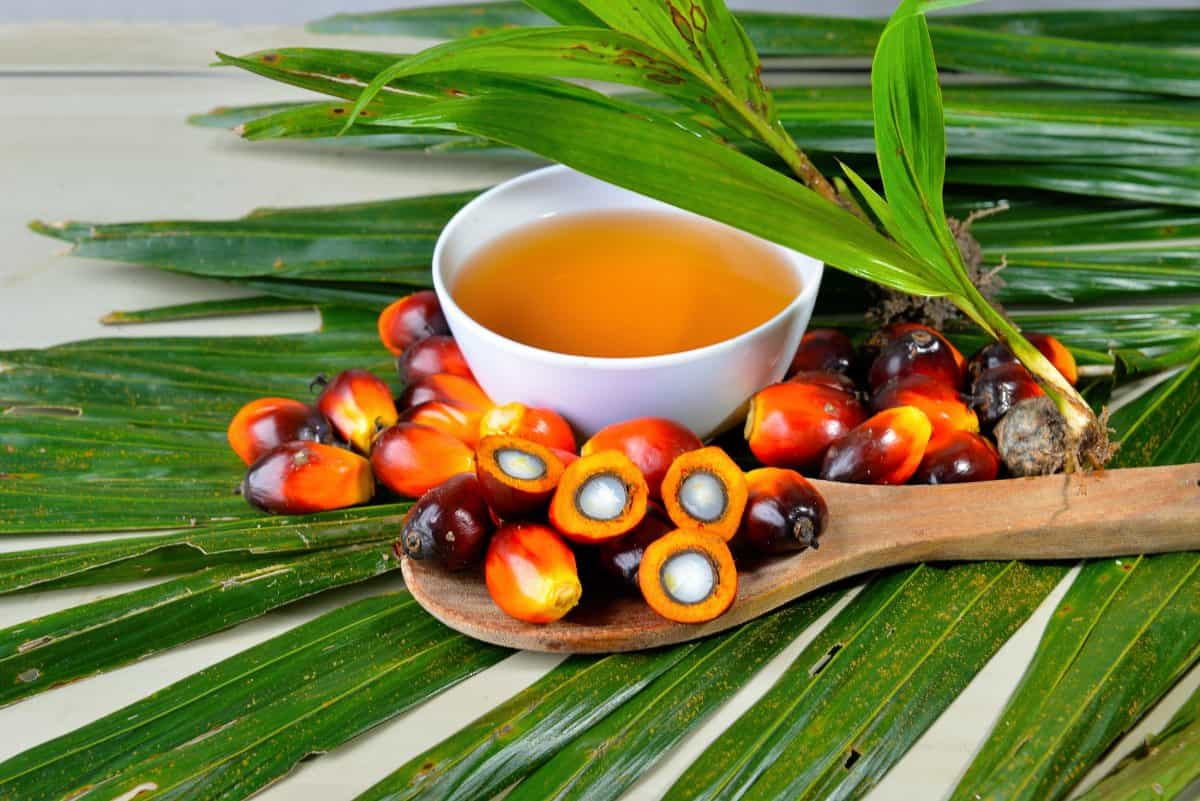
Together with the credit company Adler, Wulff & Meyer and his fellow merchant Hendrik Pontoppidan, he founded Aarhus Palmekærnefabrik on September 14, 1871 - a company producing cattle feed made from palm kernels. Demand for feed shot up as more and more butter was exported - so success was practically guaranteed. With its six presses, the company could process about ten tons of palm kernels per day. Effectively, this yielded six tons of animal feed and four tons of palm kernel oil. At first, the oil was still seen as a by-product that was sold to Russia. There it was mainly used for soap making and as lamp oil. But when problems with the export business increased toward the end of the 1870s, they were forced to rethink. Russia wanted to promote its domestic industry and now imposed high tariffs on foreign imports. Nevertheless, the Russian vegetable oil market was promising, so they quickly decided to build their own oil factory in Liepāja (then a Russian province, today Latvia). The decision was spot on, and business was excellent.
Alongside butter, margarine now also conquered the mass market. Before that, Emperor Napoleon III had been looking for a cheaper butter substitute for his troops. In response, the French chemist Hippolyte Mège-Mouriés developed a spreadable edible fat made from beef tallow and skim milk, among other things. Otto Mønsted, another merchant from Aarhus, heard about this invention and began to look into it more closely. He read everything he could find on the subject, and after a few attempts the time had come and he founded his own margarine factory. At first, he alternated between vegetable and animal fats, but when prices for animal fats rose sharply, this paved the way for vegetable oils. Initially, Otto imported about 100 tons of sesame oil from France every month - but it didn't take long before he was looking for local business partners. At Aarhus Palmekærnefabrik, they recognized the potential and decided to completely rebrand the company. On January 1, 1892, it was renamed Aarhus Oliefabrik Limiteret, and the plant in Liepāja was spun off. In addition to palm kernels, sesame, peanuts, and copra (dried coconut kernels) were now also added to production.
Vegetable cooking oils became more and more popular, and soon the company began expanding in the Scandinavian market. Gradually, it also started buying up smaller oil companies, positioning itself in Germany, Russia, Great Britain, and the USA. To secure a steady supply of coconuts, palm kernels, and other raw materials for its growing production, it set up several subsidiaries in Southeast Asia and Africa over the following years. A lot of money was now also invested in the development of new specialty fats and oils. For example, the breakthrough came with CEBES, a cheaper and at the same time healthier substitute for cocoa butter. It was mainly this new substance that the company had to thank for its strong growth in the 1920s and 1930s - despite the Great Depression. In 2005, it merged with its Swedish competitor Karlshamn AB, founded in 1918, thus becoming AarhusKarlshamn AB. Today, AAK, headquartered in Malmö, Sweden, is one of the world's leading companies specializing in customized and sustainable solutions for plant-based oils and fats.
How Could AAK Develop in the Future?
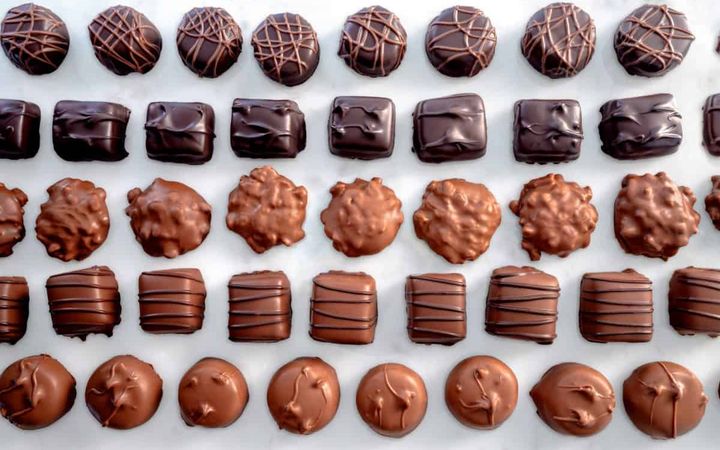
First, I'd like to briefly sum up the specialty oil company's business model once more. AAK specializes in plant-based oils and fats that are contained in many consumer products as value-adding ingredients and additives. For example, ingredients from AAK make chocolate last longer and taste better. Or they help bakeries make their work steps more efficient with baking fats, frying oils, and other products. Apart from that, the company also supplies businesses in the fields of dairy products and ice cream, plant-based foods, special nutrition, foodservice, animal nutrition, technical products, and even personal care and candles. AAK doesn't develop on its own, but works closely with its customers to be able to offer the perfect and most suitable solution. By the way, that's exactly why it calls itself The Co-Development Company.
Now let's take a look at the figures for the most recently published quarter (Q4 2021 - ended December 31, 2021). Net sales amounted to 10,441 million Swedish kronor (SEK), an increase of 43 percent and thus a record result. This incredible increase is due to significant volume growth and higher raw material prices. AAK generated a profit of 659 million SEK from this - an increase of 9 percent over the prior-year quarter. Per share, this corresponds to earnings of 1.84 SEK - in Q4 2020 this figure was still 1.69 SEK. All in all, you can be more than satisfied with a development like that.
Of course, the topic of sustainability plays a crucial role for a plant-based oil producer. If it didn't operate sustainably, it would eventually run out of raw materials. For this reason, AAK introduced satellite monitoring for its global palm oil supply chain last year to better combat deforestation. The goal is to be 100 percent deforestation-free by 2025 and likewise fully traceable all the way to the plantation. Just recently, the company announced that it will invest 500 million SEK in the installation of biomass boilers at its production facility in Aarhus. This is expected to reduce the plant's CO₂ emissions by about 90 percent.
Just as in the past, AAK will continue to grow over the next few years through its own innovative strength, organic growth, and the acquisition of suitable companies. Toward the end of last year, for example, it acquired the Dutch company BIC Ingredients in order to position itself even better in the European lecithin market going forward.
What About the Dividend?
In old archive documents, I found out that early investors in today's AAK AB were already receiving a 10 percent dividend per year starting in 1892. But since the data isn't particularly good, I don't know whether it has been paid continuously ever since. In any case, a regular dividend has been paid since at least 1978, and it has also been raised every year since at least 2006. Looking at the last 10 years, the average dividend growth rate is just under 12.5 percent. With this kind of growth, the current dividend yield of 1.2 percent immediately looks a lot more attractive. The payout ratio, currently at 41.4 percent, also leaves enough capital in the company to keep growing solidly over the next few years.
Conclusion:
The Swedish specialty oil pro AAK developed from a small animal feed producer into one of the world's leading suppliers of plant-based oils and fats. I find the business model very interesting and promising, which is why I would recommend that long-term oriented investors take a closer look at this company.
Epilogue · November 1, 2026
What became of it
4 years and 8 months have passed since this article. If you had invested €1,000 on the day it was published, this is where you would be today:
Bitcoin came out ahead.
- AAK, incl. dividends:
- The same €1,000 in Bitcoin: