DividendeOhneEnde · March 7, 2021
Ball Corporation
The Aluminum Expert
- Ticker
- BALL
- ISIN
- US0584981064
- WKN
- 860408
- Country
- USA
- Industry
- Consumer discretionary
- Sector
- Household goods
- Market cap
- $15.9 billion
- Dividend yield
- 1.60%
- Payouts
- quarterly
- First dividend
- 1958
- Status
- Dividend Contender
- Dividend yield
- 1.6%
- Dividend growth
- 18.7%
- Payout ratio
- 35.4%
- Share price growth
- 137.2%
- Earnings growth
- 18.6%
- Revenue growth
- 7.5%
- Debt ratio
- 37.7%
The DOE score was my rating at the time, based on these figures, from A (very good) to E. Figures as of October 11, 2022, shortly before the blog ended.
Contents
From mason jars to aerospace supplier
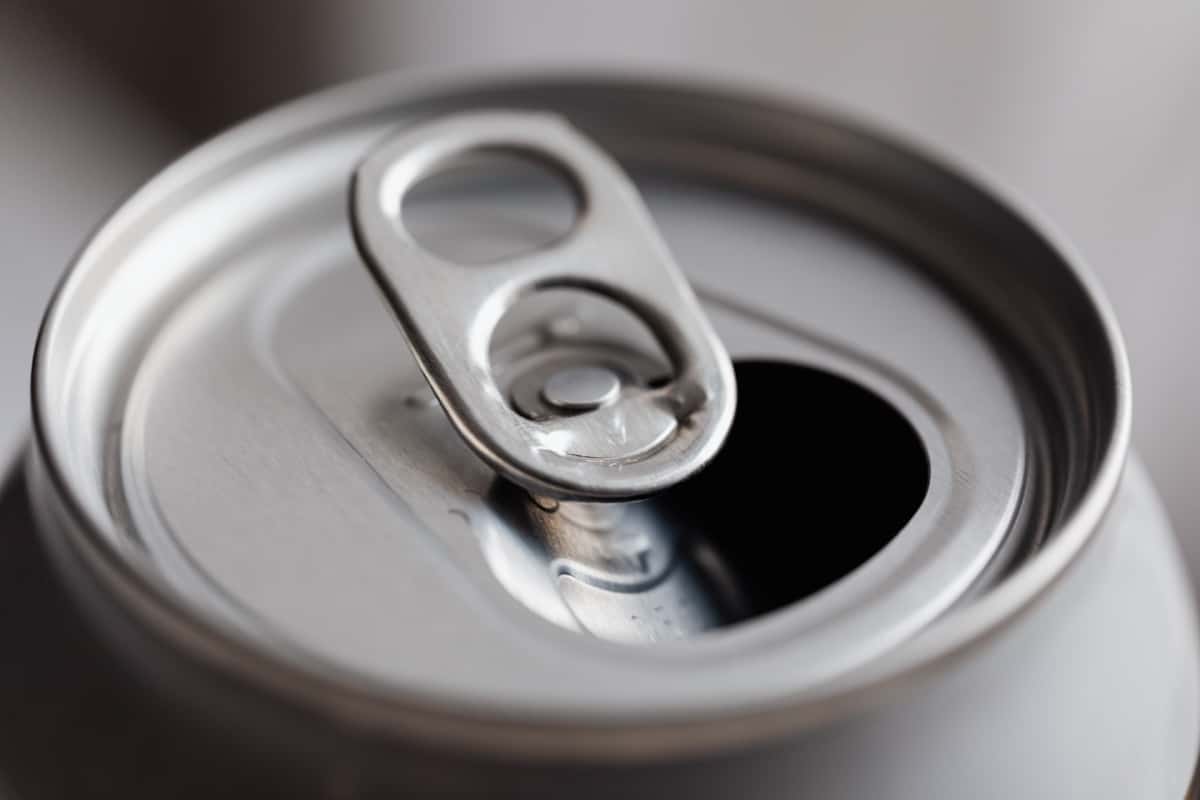
While researching this article, I came across some contradictory statements about the sustainability of aluminum cans. For some, it's clear that aluminum is 100 percent recyclable and therefore much more environmentally friendly than the plastic bottle. But it's also a fact that aluminum cans today often consist of different alloys that can only be separated with a lot of effort and are therefore not really sustainable. The Ball Corporation, the global market leader in aluminum cans, is constantly working on making its products more sustainable and environmentally friendly, and is really on a very good path here. Besides, the recycling systems from TOMRA Systems could ultimately ensure a more resource-efficient recycling loop as well.
So today, let's take a closer look at how the Ball Corporation came about and why the packaging company is one of the preferred suppliers to the aerospace industry.
The history and business model of the Ball Corporation
The origins of today's packaging and aerospace expert go back to September 1846, when Lucius Styles Ball, a farmer and merchant, married former schoolteacher Maria Polly Bingham. Together they had 8 children, whom they raised in eastern Ohio. From an early age, Maria instilled in her sons how important it is for a family to stick together and that one day they should build a business together. Around 1870, the two brothers Frank and Edmund began building a factory to make packaging for salted fish. When it burned down a few years later, however, the two couldn't afford to rebuild. Without further ado, they borrowed $200 from their uncle George Harvey Ball and used it to buy the Wooden Jacket Can Company. The small manufacturing business made tin cans encased in a wooden jacket that held kerosene, paints or varnishes. A little later, the other three brothers William, Lucius and George also joined the young company.
It didn't take long for them to notice that the kerosene caused the cans to corrode and that they needed a better solution. After some testing, they finally settled on glass and quickly found a suitable supplier. Business was booming and soon the five brothers opened their own glassworks in East Buffalo. When they realized in 1884 that an old patent for mason jars had now expired, they began to realign their production and founded the Ball Brothers Manufacturing Company for that purpose. Once again a fire destroyed the entire manufacturing plant, but the Ball brothers wouldn't be stopped. They used the opportunity to look for a more suitable location. On a business trip through various cities, the small town of Muncie (Indiana) made them an unbeatable offer. They offered 7 hectares of building land, access to natural gas, a railroad connection and 5,000 dollars in cash. Without thinking twice, the Ball brothers accepted the offer, opened their new glass factory in February 1888 and created a large number of jobs in the process. With a patented machine for mass-producing mason jars, they secured a decisive edge in the market and built seven more manufacturing plants across the country by 1905.
The Ball Corporation did become the undisputed market leader in its industry, but in the 1930s demand slowly began to decline. After World War II, the antitrust authorities also threw a wrench in the works - the company was no longer allowed to buy up other glass manufacturers. This eventually led to the decision to diversify its business more broadly, and the Ball Corporation ventured into the aerospace industry. Thanks to the success of the OSO-1 satellite, it secured further government contracts from NASA. The company also remembered its roots, bought the aluminum can maker Jeffco Manufacturing and eventually became the world's largest manufacturer of recyclable aluminum beverage cans. Today, the Ball Corporation maintains close business relationships with some of the largest food and consumer goods manufacturers, including AB Inbev, Coca-Cola, PepsiCo, Brown-Forman, Procter & Gamble, McCormick and Co., Clorox, General Mills, Hormel Foods, Sysco, Lancaster Colony, Hershey, Mondelēz and many more.
How could the Ball Corporation develop in the future?
Before I get to the Ball Corporation's future prospects, I'd like to take a look at the figures for the most recently published quarter (Q4 2020). In this reporting quarter, total revenue came to 3.1 billion US dollars, an increase of 14 percent over the prior-year quarter. Despite the tough coronavirus year of 2020, the company achieved solid growth rates both in its packaging segment and in aerospace. Profit also rose by 14 percent to 227 million US dollars, or 68 cents per share (48 cents/share in Q4 2019).
The Ball Corporation currently employs more than 21,500 people at over 100 different production facilities worldwide. The packaging artist always tries to choose its locations so that an efficient supply chain from the raw material supplier to the customer is ensured.
Since sustainability in particular is rightly getting more and more attention, I'm also very confident about the Ball Corporation's further growth. The company is working hard on it and is putting a lot of money and energy into researching and developing more sustainable aluminum products. If it becomes possible in the future to recycle 100 percent of aluminum cans without a hitch, the plastic bottle will probably have a hard time in the long run. Proper metal recovery (for example through sorting systems from TOMRA) naturally plays a decisive role here.
In my opinion, further growth opportunities lie in space. I think we're going to witness quite a lot in the coming years/decades. From research stations on the moon to small satellites providing global internet coverage to the first crewed flights to Mars - the Ball Corporation may not be a main player here, but it will definitely get a piece of the pie.
What about the dividend?
Although the Ball Corporation only went public in 1972, some early investors already received a dividend back in 1958. Ever since it has been publicly traded, the packaging company has paid a dividend every quarter. It hasn't been cut in more than 23 years, but unfortunately it hasn't been raised every year either. Still, the dividend growth rate of 17.2 percent over the last 10 years, or a solid 22.2 percent over the last 5 years, is definitely impressive. With numbers like that, you can also accept the low dividend yield of 0.7 percent. The payout ratio of just 34 percent also signals plenty of growth potential for the future.
Conclusion:
You'll probably rarely read anything about the Ball Corporation, yet the odds are extremely high that you regularly hold the packaging expert's products in your hands. The stock isn't exactly cheap right now, but in my opinion long-term investors should definitely take a closer look at the company.
Epilogue · November 1, 2026
What became of it
5 years and 7 months have passed since this article. If you had invested €1,000 on the day it was published, this is where you would be today:
Bitcoin came out ahead.
- Ball Corporation, incl. dividends:
- The same €1,000 in Bitcoin: